
Nitrogen Generator / Blended Gas
Nitrogen Generators & Blended Gas in South Florida
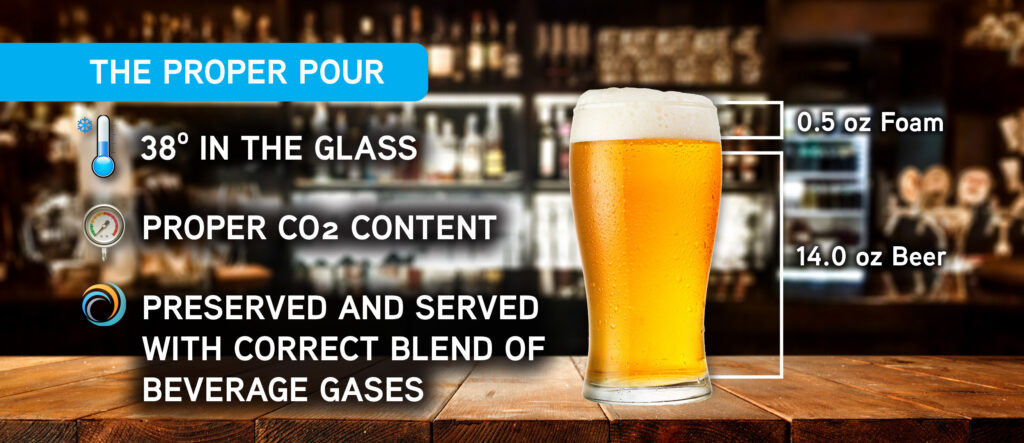
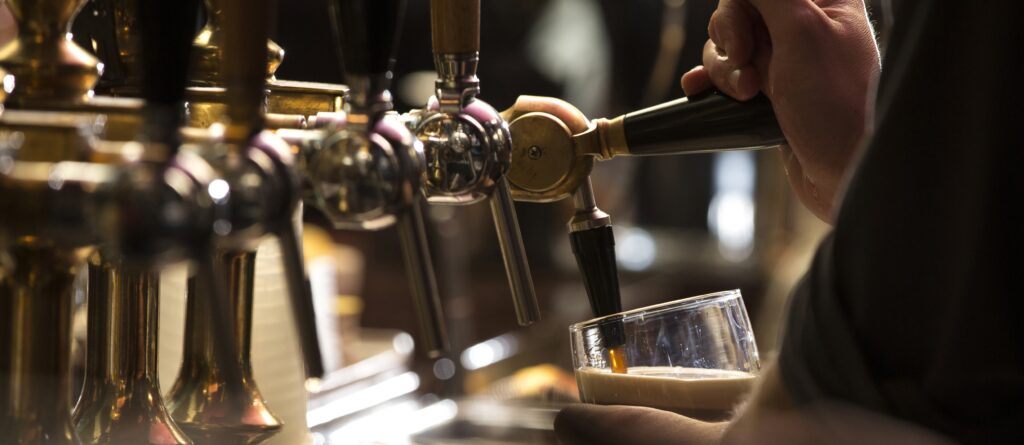
Bars, breweries and high-volume draft programs depend on gas systems to maintain beer quality. Beer nitrogen generators provide an onsite supply of nitrogen gas used in draft beer systems and blended gas dispensing. Instead of relying solely on nitrogen cylinders that require constant replacement, a generator produces nitrogen from compressed air and delivers it directly to the draft system.
Broward Nelson installs and services onsite nitrogen generators throughout South Florida for stadiums, arenas, sports bars, restaurants and breweries. Our systems allow operators to combine nitrogen and carbon dioxide using a gas blender, making sure that different beer styles pour correctly and consistently. When properly configured, nitrogen generators support stable pressure levels, consistent carbonation and a smoother draft for customers.
For establishments serving large volumes of beer, onsite nitrogen generation simplifies operations. Managers no longer need to monitor nitrogen tank levels or schedule frequent cylinder deliveries; with a generator connected to bulk CO₂ systems and beer gas blending equipment, the draft system continues working without interruptions.
How Beer Nitrogen Generators Work
A beer nitrogen generator separates nitrogen from compressed air, producing a continuous supply of nitrogen gas for beverage dispensing systems. Generators typically operate using one of two technologies:
- Pressure Swing Adsorption (PSA): PSA systems use carbon molecular sieve material to separate nitrogen from oxygen. Compressed air enters the system and the sieve traps oxygen molecules while nitrogen passes through. The process cycles between two towers to produce a steady flow of nitrogen.
- Membrane Nitrogen Generators: Membrane generators push compressed air through hollow fiber membranes. Oxygen, moisture and other gases permeate through the membrane while nitrogen remains concentrated, exiting the system at the required purity.
Both technologies produce nitrogen purity levels between roughly 95% and 99.5%, appropriate for beverage applications. The produced nitrogen then feeds into the draft beer system or a gas blender that couples nitrogen with carbon dioxide.
Generator sizing is dependent on several elements:
- Number of draft lines
- Average beer throughput
- Required pressure levels
- Distance between kegs and taps
- Desired nitrogen purity
Proper sizing is integral to stable dispensing pressure across the draft system.
Benefits of On-Site Nitrogen Generation
Installing an onsite nitrogen generator offers various advantages for breweries, bars and large entertainment venues.
Reduced Dependence on Nitrogen Cylinders
Traditional systems rely on nitrogen bottles that require frequent replacement. A generator produces nitrogen continuously, taking cylinder logistics and supply disruptions out of the equation.
Consistent Gas Supply
Since nitrogen is generated on demand, operators avoid the risk of running out of gas during peak service periods.
Improved Beer Quality
Nitrogen helps stabilize serving pressure, improving the mouthfeel of certain beer styles. Nitro beers such as stouts and porters need nitrogen to create the characteristic cascading pour and creamy head.
Lower Long-Term Operating Costs
Although nitrogen cylinders can work well for small systems, larger operations often see lower long-term costs with onsite generation.
Operational Simplicity
Staff no longer need to handle heavy nitrogen tanks or track inventory levels.
Nitrogen vs CO₂ in Beer Dispensing
Carbon dioxide plays an important part in beer carbonation, but nitrogen serves a different function in draft beer systems.
Carbon dioxide (CO₂) dissolves easily into beer and creates carbonation. It gives beer its signature bubbles and contributes to the sharp mouthfeel found in many styles.
Nitrogen gas, by contrast, is far less soluble in beer. When nitrogen is used in a draft beer system, it produces smaller bubbles that create a smoother texture and thicker head. That’s why nitrogen is commonly used for:
- Stouts
- Porters
- Nitro ales
- Long-draw draft systems
In many setups, nitrogen is blended with carbon dioxide to strike the correct balance for different beer styles.
Blended Gas Systems, Explained
A blended gas system combines nitrogen and carbon dioxide to produce specific gas mixtures for draft beer dispensing.
Common blends include:
- 25% CO₂ / 75% nitrogen for stouts and nitro beers
- 60% CO₂ / 40% nitrogen for certain ales and lagers in long-draw systems
These blends help maintain proper carbonation levels while providing the pressure needed to push beer through long draft lines. A gas blender precisely mixes the two gases so that each beer pours as intended by the brewer.
Broward Nelson installs gas blending systems alongside nitrogen generators to support multi-tap beer programs throughout South Florida. For businesses that prefer delivered gas mixtures, Broward Nelson also supplies beer gases in a range of cylinder sizes.
Selecting the Right System
Choosing the correct nitrogen generator comes down to the scale and configuration of the draft system. Crucial considerations include:
Flow Rate Requirements
Large venues such as stadiums and arenas require higher nitrogen output than smaller bars or breweries.
System Pressure
Draft systems require consistent pressure to move beer from kegs to taps without excessive foaming.
Nitrogen Purity Level
Beverage systems typically need nitrogen purity between 95% and 99.5%.
Duty Cycle and Runtime
Some generators operate continuously while others cycle based on demand.
Space Constraints
Compact membrane generators might be preferred where installation space is limited.
Broward Nelson works closely with breweries, bar operators and equipment suppliers to determine the correct generator capacity for each application.
Installation and Integration Considerations
Installing a nitrogen generator calls for integration with several other components of the draft beer system. Typical installations include:
- Compressed air supply connection
- Nitrogen storage tank or buffer tank
- Gas blender for nitrogen and CO₂ mixing
- Pressure regulators and monitoring gauges
- Integration with existing draft beer piping
Larger venues can also incorporate automated controls and telemetry monitoring systems to track gas levels and system performance. Broward Nelson technicians handle the installation process and confirm that the generator integrates correctly with the existing draft beer system.
Maintenance and Service Programs
Nitrogen generators require routine care to maintain performance. Regular service helps prevent downtime and preserve proper nitrogen purity levels.
Typical maintenance tasks:
- Inspecting air filters and replacing them periodically
- Checking pressure levels and system gauges
- Monitoring nitrogen purity levels
- Inspecting valves and connections for leaks
- Cleaning internal components and removing moisture
Filter replacements usually take place every few thousand operating hours, depending on usage. Broward Nelson provides maintenance support across South Florida, including routine inspections and emergency service as needed.
Safety and Compliance Considerations
Although nitrogen is an inert gas, proper safety practices are paramount when installing gas generation systems.
Be sure to follow these best practices:
- Adequate ventilation in mechanical rooms
- Oxygen monitoring systems where large volumes of nitrogen are present
- Pressure relief valves and regulators
- Compliance with local building and gas safety codes
Taking these steps helps you protect your staff, as well as the continued operation of the draft beer system.
Partnering With Broward Nelson
Broward Nelson has supported South Florida’s beverage systems for decades. We provide nitrogen generators, bulk CO₂ systems, gas blending equipment and service support for restaurants, bars, stadiums and breweries.
Our services:
- System assessments and generator sizing
- Installation of nitrogen generators and gas blenders
- Bulk CO₂ system integration
- Emergency refills and service support
- Ongoing maintenance programs
With an expansive delivery fleet and experienced technicians, Broward Nelson makes sure operators can maintain consistent beverage quality while mitigating operational disruptions.
Call Broward Nelson for Nitrogen Generator Installation
A beer nitrogen generator can boost draft system reliability, cut down on cylinder dependency and support consistent dispensing across high-volume operations.
To learn more about installing an onsite nitrogen generator or blended gas system in South Florida, call 800-262-8265 or contact Broward Nelson for a system consultation.
Frequently Asked Questions
Nitrogen generators can help ensure a consistent supply of beverage grade nitrogen, which is used in various steps of beverage production, packaging, and storage. Beverage-grade nitrogen is typically 98–99.5% pure. The European Union defines beverage -grade nitrogen as having a purity of 99% or higher, with less than 1% oxygen remaining. Nitrogen generators can also help reduce the risk of running out of nitrogen, which can ruin beer kegs.
A nitrogen generator requires regular maintenance, which Broward Nelson’s team in Fort Lauderdale can provide, including checking for leaks, inspecting filters and replacing them as needed, monitoring pressure and flow rates, cleaning the unit, and visually inspecting for damage or loose connections. The frequency of maintenance depends on usage but typically involves filter changes every few thousand operating hours, with more frequent checks of gauges and indicators on the control panel to ensure proper operation.
No. If you use the 25% CO2 / 75% N2 blend for all your beers it will cause them to become flat. Beers are made to precise specifications and must have the right blend of gases for maximum flavor and consistency.
The main causes for foamy beer include: the beer temperature is too warm, the gas pressure on the keg is too high, the CO2 – N2 blend is incorrect or an obstruction in the beer line. Between pouring the foam down the drain and the inability to dispense all the beer out of the keg, you are losing approximately 11 pints of beer per keg.
Flat beer is caused by the beer temperature being too cold, the gas pressure being incorrect or the CO2 – N2 blend being off. If the gas pressure or carbon dioxide blend is too low, CO2 escapes the beer, and the result is under carbonation. Flat beer results in “overpours” and could result in 5% reduced profitability per keg.